

GIS
- Posted on
- No Comments
- Blog
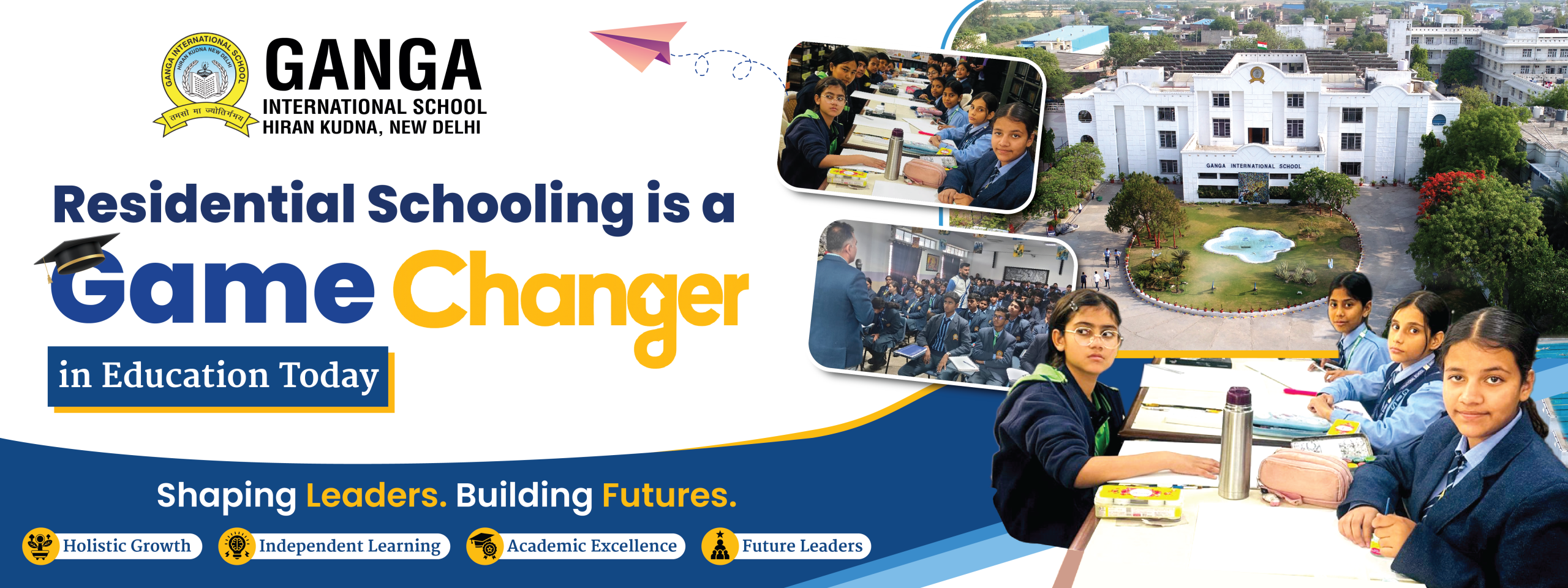
Residential Schooling is a Game Changer in Education Today
In a rapidly changing world, education must transcend textbooks and tests. Today, parents are seeking learning environments that not only foster academic achievement but also help develop a strong character, emotional quotient, autonomy, and leadership qualities. Residential schooling, also known as boarding education, offers just that. By integrating academics, life skills, discipline, and personality development, residential schools are a critical part of a child’s life that helps them achieve success as well as success in their chosen profession.
A Holistic Learning Experience
Another hallmark of residential schooling is the well-rounded learning experience that it provides. The students are exposed to an environment where learning is not limited to the classroom. The learning experience is one where students learn through academics, sports, arts, socialization, and self-reflection.
The organized schedule enables the students to manage their time effectively while ensuring that they have a balanced life between academics and fun. The students are able to utilize their time for learning, practicing, resting, and engaging in activities, which helps them to become consistent and focused in their learning.
Nurturing Independence and Emotional Strength
Living away from home nudges students out into independence. They learn to juggle everything from day-to-day responsibilities, time management, caring for their personal spaces and belongings — and most importantly of all: taking responsibility for themselves. These little lessons help to build confidence, maturity and emotional stability, little by little.
Residential schooling also teaches adaptability. Students are exposed to peers from different cultures and social backgrounds, assisting them in becoming open-minded, sympathetic people who are socially conscious. They gain the ability to articulate themselves, settle disagreements without violence, and foster long-term
Academic Excellence Through Structured Support
The core of residential education is a rigorous academic foundation. A well-structured study plan, mentor guidance and instantaneous feedback allow the students aim for focused learning customized to individual needs. Teachers are still easily accessible to students, with whom they can clarify doubts, strengthen their weak areas and delve into subjects.
Also, in such a disciplined space away from home avoids distractions and encourages focused study. Frequent assessments, mentoring sessions, and enrichment programs keep students motivated and academically confident. As a result, learners
Building Character and Core Values
The Importance of Residential Schools in Character Building Life within a structured community throughout the day teaches students mutual respect, honesty, responsibility and compassion. Values that are lived every day and not just ideas in the air.
Living in a group fosters cooperation, teamwork, patience and understanding. Educational opportunities to engage in cultural programs, hold leadership positions or participate in social service activities and community projects further develop ethical awareness and sense of social responsibility. Students progressively grow to be educated individuals who recognize the value of contributing positively
Leadership and Teamwork Development
There are numerous ways to build leadership skills at residential school. Through student councils, sports teams, clubs, cultural events and group projects, they learn to take responsibility and lead by example. These experiences enhance confidence, communication skills, decision-making abilities and accountability.
The power of collaboration and the need to respect differences is an integral aspect that students learn along with academic lessons by working in teams. These types of skills are critically important assets for higher education, professional settings, and global careers.
Safe, Supportive, and Caring Environment
An institutionally-regulated, residential campus is an ideal atmosphere where students are sheltered, both literally and figuratively. Dedicated staff, mentors and counselors provide emotional as well as physical safety. Most importantly, consistent connection with nurturing adults supports them leading to guidance, encouragement and emotional support.
This nurturing environment allows students to confidently navigate the academic workload, social play, and concerns in my classroom. When the children feel safe and supported, it is as if they can explore their full potential without fear or anxiety.
Preparing Students for the Future and the World
The experiences that students acquire through residential schooling help them prepare for life outside the school walls. Interaction with diversity, following disciplined routines, leadership experiences, and learning to live independently help students acquire life skills essential in today’s global world.
Students leave the school as confident individuals with excellent communication skills, cultural sensitivity, emotional stability, and intellectual curiosity. Such attributes make it easy for them to adjust to the rigors of higher education and the global world.
Preparing Students for a Dynamic Future
The experiences that students acquire through residential schooling help them prepare for life outside the school walls. Interaction with diversity, following disciplined routines, leadership experiences, and learning to live independently help students acquire life skills essential in today’s global world.
Students leave the school as confident individuals with excellent communication skills, cultural sensitivity, emotional stability, and intellectual curiosity. Such attributes make it easy for them to adjust to the rigors of higher education and the global world.